8 xu hướng skincare 2026 sẽ thay đổi làn da bạn
Khám phá 8 xu hướng skincare mới nhất 2026 từ personalized skincare đến barrier repair giúp thay đổi làn da bạn với công nghệ tiên tiến và nguyên liệu bền vững.
Ngành chăm sóc da năm 2026 đang trải qua một cuộc cách mạng thực sự. Không còn là những chu trình 10 bước áp dụng cho tất cả mọi người, xu hướng mới hướng đến sự cá nhân hóa sâu sắc dựa trên DNA, microbiome và lối sống cụ thể. Các công nghệ như AI analysis, home testing devices và microbiome mapping đang trở nên phổ biến, cho phép mỗi người xây dựng routine được thiết kế riêng cho làn da của mình. Trong khi đó, ý thức về bảo vệ môi trường và tính bền vững cũng tác động mạnh mẽ đến cách các brand phát triển sản phẩm — từ bao bì đến nguồn nguyên liệu. Điều này đồng nghĩa với việc skincare 2026 không chỉ tốt cho da, mà còn tốt cho hành tinh.
Personalized skincare - Cá nhân hóa dựa trên DNA và microbiome
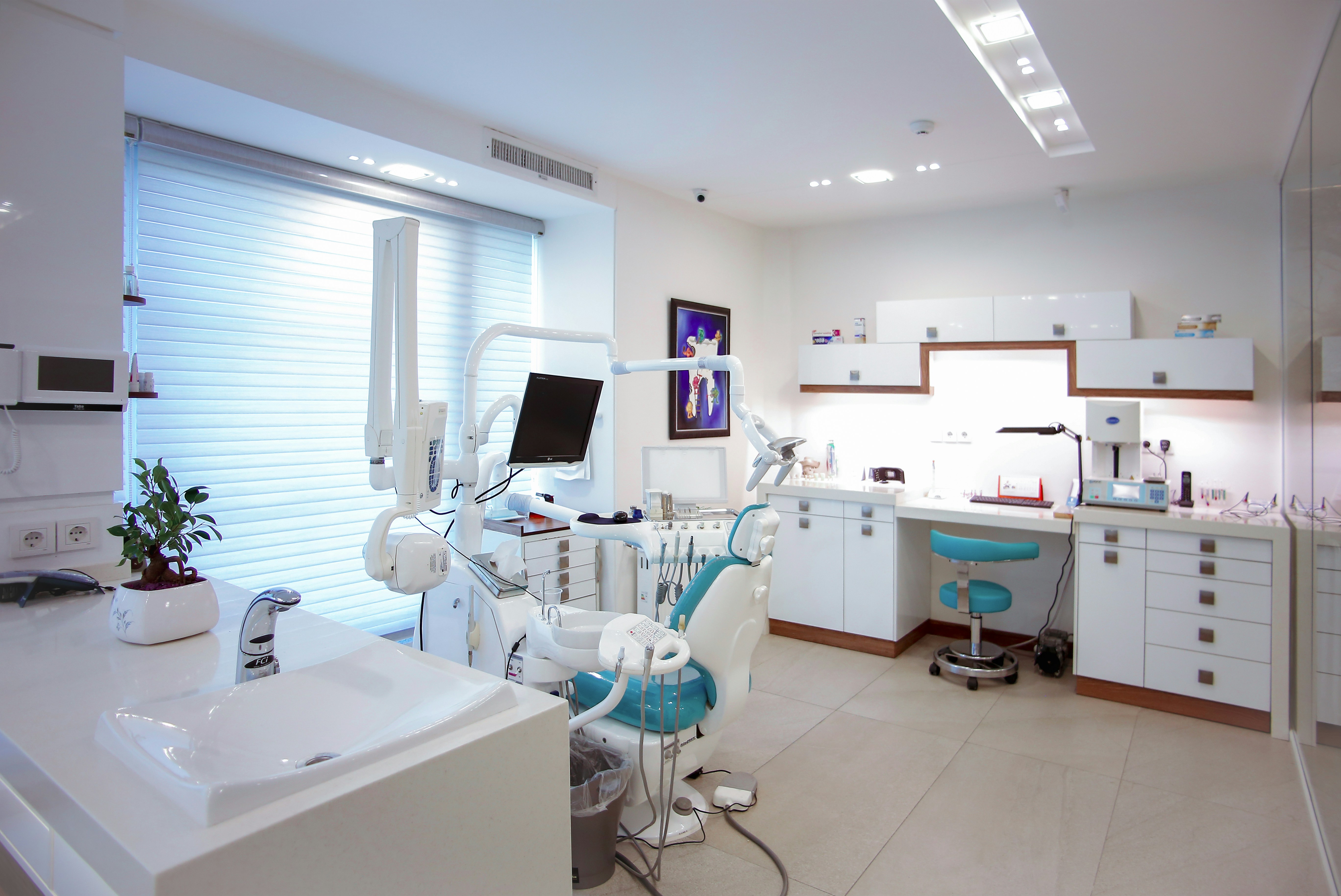
Personalized skincare (chăm sóc da cá nhân hóa) là xu hướng dẫn đầu năm 2026, thay đổi hoàn toàn cách tiếp cận skincare từ "one-size-fits-all" sang "tailored-for-you". Trước đây, mọi người thường chọn sản phẩm theo loại da (da dầu, da khô, da hỗn hợp) nhưng không phản ánh đầy đủ sự phức tạp của làn da. Năm 2026, personalized skincare sử dụng dữ liệu từ xét nghiệm DNA, phân tích microbiome và AI-powered skin analysis để tạo ra công thức riêng cho từng cá nhân. Các brand hiện cung cấp home testing kits cho phép người dùng lấy mẫu tế bào da, gửi về phòng lab và nhận về sản phẩm được thiết kế riêng dựa trên kết quả phân tích chi tiết.
Cơ chế của personalized skincare hoạt động dựa trên việc map toàn bộ "hồ sơ sinh học" của làn da mỗi người. DNA analysis reveal các thông tin về predisposition to aging (dị ứng lão hóa), collagen production potential, inflammatory response markers, và skin sensitivity profile. Ví dụ, một người có gene biến thể COL1A1 sẽ có khả năng sản xuất collagen thấp hơn, do đó cần các sản phẩm với peptides và growth factors ở nồng độ cao hơn để bù đắp. Microbiome mapping thì phân tích balance giữa Cutibacterium acnes, Staphylococcus epidermidis và các loài vi khuẩn khác sống trên bề mặt da. Khi microbiome bị mất cân bằng (dysbiosis), da sẽ gặp vấn đề như acne, rosacea hoặc eczema — và personalized skincare sẽ chứa prebiotics, postbiotics hoặc specific bacterial strains để restore balance.

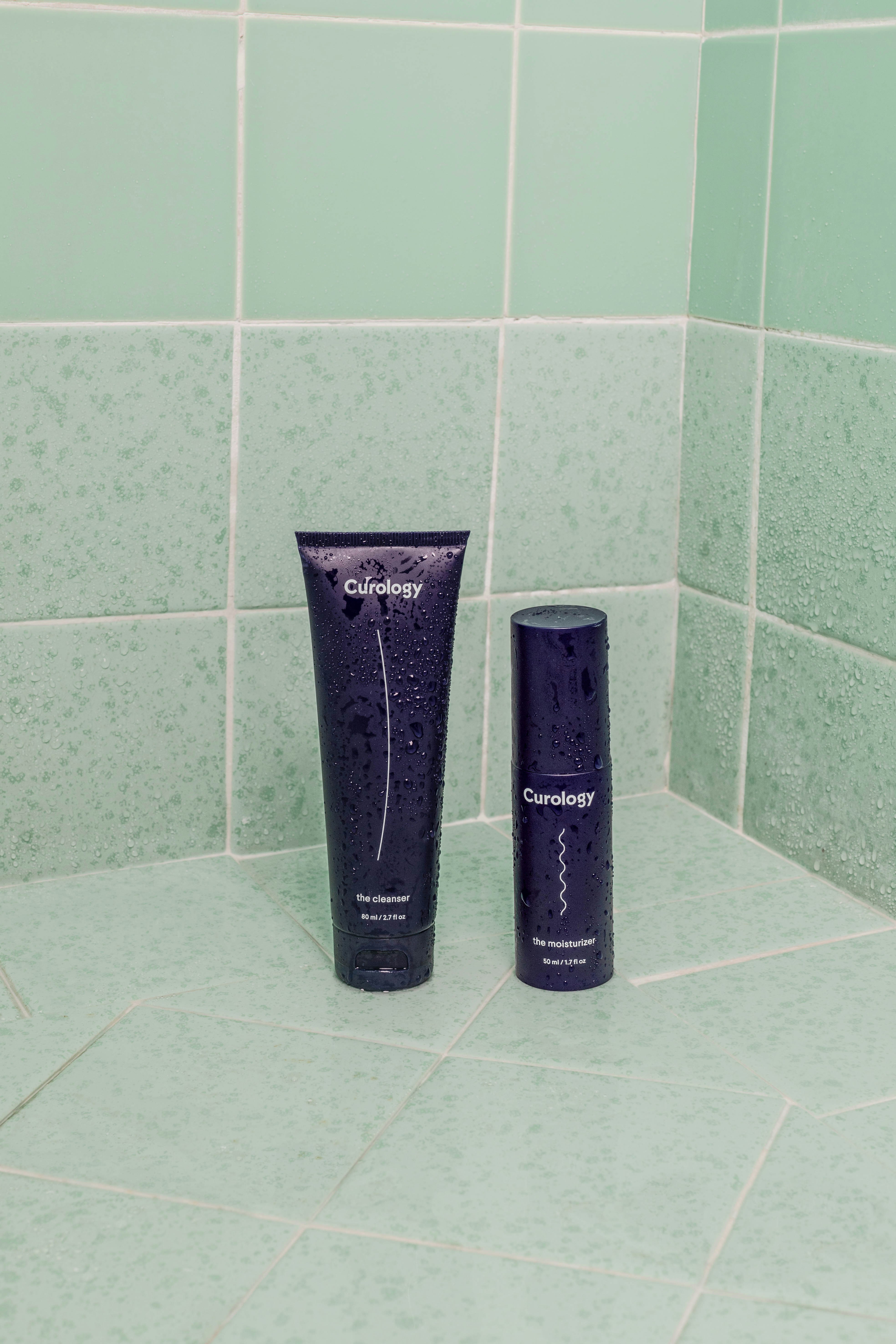
Đối với người dùng Việt Nam, personalized skincare đang trở nên accessible hơn với các dịch vụ từ clinics và lab uy tín tại Hà Nội và TP. HCM. Các brand quốc tế như SkinCeuticals Custom D.O.S.E, Curology, Function of Beauty đã mở rộng thị trường đến Việt Nam, trong khi local brands bắt đầu partnership với các lab phân tích tại Hàn Quốc và Nhật Bản. Để tận dụng xu hướng này, bạn có thể bắt đầu với AI skin analysis apps — chụp ảnh khuôn mặt để nhận đề xuất sản phẩm dựa trên các parameters như pore size, pigmentation spots, fine lines, và texture irregularity. Tuy nhiên, cần nhớ rằng personalized skincare không chỉ là sản phẩm — còn bao gồm routine customization dựa trên lifestyle (stress levels, sleep quality, diet, climate exposure).
Đội ngũ biên tập Thế Giới Thời Trang & Phong Cách Sống Đẳng Cấp nhận thấy xu hướng này đặc biệt phù hợp với khí hậu nhiệt đới gió mùa của Việt Nam, nơi làn da chịu tác động của độ ẩm cao, ánh nắng mạnh và ô nhiễm không khí. Personalized skincare có thể điều chỉnh formula để address các concerns này — ví dụ, higher concentration của lightweight humectants cho mùa mưa, enhanced barrier support cho mùa khô, và extra antioxidant protection cho ngày nắng nóng.
Barrier repair - Tập trung phục hồi hàng rào da
Barrier repair (phục hồi hàng rào da) trở thành từ khóa không thể bỏ qua trong skincare 2026. Sau một thời gian dài tập trung vào active ingredients mạnh như retinoids, acids và exfoliants, industry đã nhận ra rằng healthy skin barrier là foundation cho mọi concern khác. Skin barrier — cụ thể là stratum corneum (lớp sừng ngoài cùng) — acts as a shield protecting against environmental stressors, preventing transepidermal water loss (TEWL), và regulating inflammatory responses. Khi barrier bị compromised, da sẽ trở nên sensitive, reactive, và mất đi ability để nutrients từ skincare products. Xu hướng 2026 không chỉ là "repair barrier" mà là "maintain barrier proactively" — xây dựng routine ưu tiên barrier health trước khi target other issues.
Cơ chế barrier repair hoạt động dựa trên việc restore lipid matrix của stratum corneum. Lipid matrix bao gồm 50% ceramides, 25% cholesterol, và 15% free fatty acids — được gọi là "ceramide-dominant ratio". Ceramides là lipids đóng vai trò như "mortar" giữ các keratinocytes (cells of epidermis) lại với nhau, tạo thành barrier continuous và impermeable. Khi barrier bị damage, lipid matrix bị disrupted, dẫn đến increased TEWL (khiến da dehydrated), penetration of irritants (gây inflammation), và dysbiosis của microbiome. Barrier repair products thường chứa ceramide NP, ceramide AP, ceramide EOP, cholesterol, và fatty acids ở optimal ratio để rebuild lipid matrix. Ngoài ra, ingredients như niacinamide, panthenol (vitamin B5), và squalane cũng hỗ trợ barrier recovery qua các mechanisms khác — niacinamide stimulate ceramide synthesis, panthenol enhance wound healing, và squalane provide occlusive layer để lock moisture.
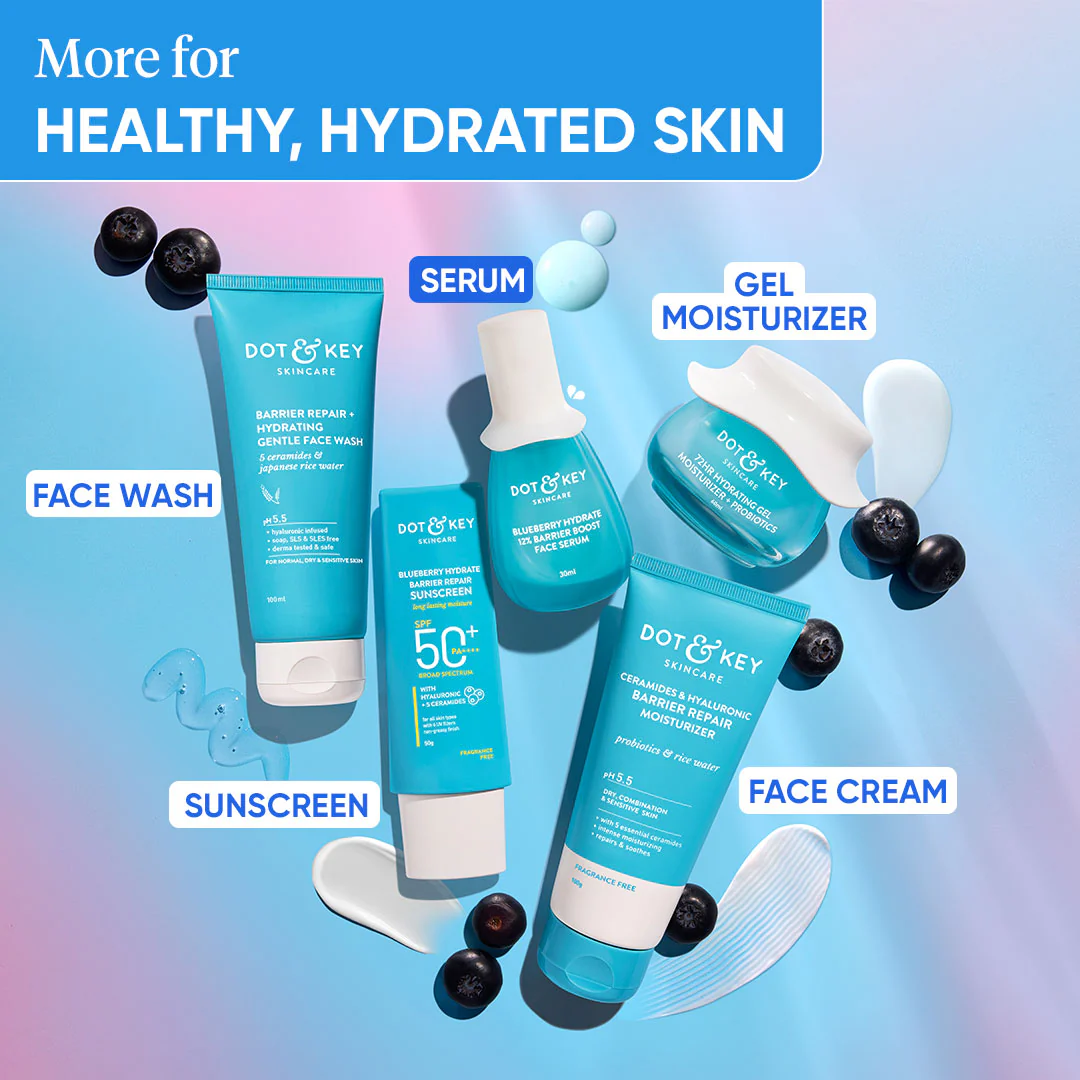
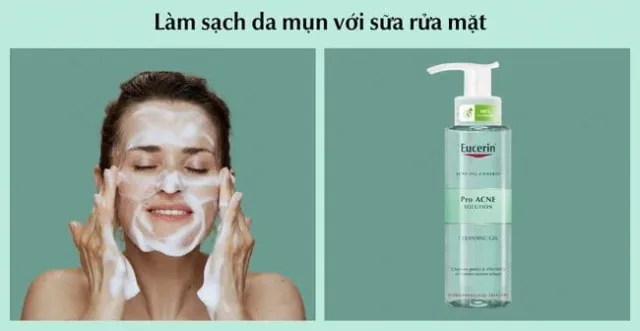
Xu hướng barrier repair manifest qua các product types như barrier creams, lipid-rich serums, và gentle cleansers formulated để preserve natural lipids. Một điểm khác biệt của 2026 là emergence của "barrier-first formulations" — products được thiết kế để not disrupt barrier even khi chứa actives. Ví dụ, encapsulated retinol releases slowly để minimize irritation, low pH cleansers (pH 4.5-5.5) match skin's natural pH, và exfoliants with built-in soothing agents (licorice root extract, allantoin, centella asiatica) balance exfoliation với barrier protection. Các brands như Drunk Elephant, Paula's Choice, và The Ordinary đã reformulate nhiều products để align với barrier-first philosophy, trong khi Korean brands như CosRx, Purito, KraveBeauty nổi tiếng với gentle, barrier-friendly formulations.
Thị trường Việt Nam đã phản ứng tích cực với xu hướng này — consumers ngày càng aware về damage từ over-exfoliation và harsh products. Local brands như Cocoon, Zakka, và Thorakao đang incorporate ingredients indigenous to Vietnam như cám gạo, tinh dầu tràm trà, và nghệ vàng vào barrier repair formulas, phù hợp với Asian skin characteristics.

Blue light protection - Bảo vệ khỏi ánh sáng xanh
Blue light protection đang trở thành essential step trong routine 2026, khi screen time tăng exponentially và research confirm tác động của high-energy visible (HEV) light lên làn da. Blue light (phát ra từ smartphone, laptop, LED screens, và sun exposure) có wavelength 380-500 nm — shorter than visible light nhưng không phải UV. Năm 2026, awareness về blue light damage đã tăng đáng kể, với các studies chỉ ra rằng prolonged exposure có thể lead to hyperpigmentation, collagen breakdown, và oxidative stress — đặc biệt đối với darker skin tones vốn prone to hyperpigmentation. Blue light protection không chỉ là sunscreen (most physical sunblocks có hiệu quả nhưng không comprehensive) mà dedicated blue light filters trong day creams và serums.
Cơ chế blue light damage lên da hoạt động qua two primary pathways: melanin stimulation và oxidative stress. Blue light penetrates deeper vào dermis so với UVA — reaching up to hypodermis — và activate melanocytes để produce melanin. Điều này lead to hyperpigmentation, melasma worsen, và uneven skin tone. Oxidative stress pathway thì liên quan đến generation of reactive oxygen species (ROS) khi blue light interacts với chromophores trong skin như porphyrins và flavins. ROS damage collagen, elastin, và cellular DNA, accelerating aging process. Một study từ Journal of Cosmetic Dermatology (2025) cho thấy exposure 4 hours/day với blue light trong 2 weeks có thể measurable decrease trong skin barrier function và increase trong transepidermal water loss. Blue light protection products thường chứa antioxidants như ferulic acid, vitamin C, niacinamide, và light-absorbing ingredients như lutein, carotenoids, và specific mineral filters (iron oxides, titanium dioxide dioxide).
Xu hướng blue light protection manifest qua các day creams với built-in blue light filters, serums chứa high concentration antioxidants được formulated để combat blue light-induced ROS, và nighttime recovery products address damage accumulated từ ngày. Một innovation đáng chú ý năm 2026 là "screen care products" — products được designed cho người có high screen time (office workers, gamers, content creators). Các brands như Supergoop!, Murad, và Dr. Barbara Sturm đã launch blue light protection lines, trong khi Korean brands như Benton và Isntree nổi tiếng với formulas affordable yet effective.
Tại Việt Nam, blue light protection đang trở thành đặc biệt relevant với Gen Z và young professionals — nhóm có screen time cao nhất. Tuy nhiên, cần note rằng blue light protection không nên replace traditional sunscreen. Sunscreen vẫn là non-negotiable vì UV damage vẫn là primary cause của photoaging và skin cancer. Best practice là apply broad-spectrum sunscreen (SPF 30+, PA+++) vào buổi sáng, sau đó apply blue light protection serum hoặc moisturizer, và reapply sunscreen vào buổi chiều nếu tiếp tục outdoor activities.

Microbiome-friendly ingredients - Thành phần thân thiện hệ vi sinh
Microbiome-friendly ingredients đang reshape formulation science năm 2026, thay đổi cách chúng ta understand "clean" và "effective" skincare. Microbiome của da — collection của trillions bacteria, fungi, và viruses living on skin surface — plays crucial role trong maintaining skin health. Traditional skincare thường tập trung vào eliminating bacteria (thông qua antibiotics, antimicrobial agents) để treat acne hoặc infections. Tuy nhiên, research trong 5 năm qua đã reveal rằng healthy microbiome diversity là key cho clear, balanced skin. Microbiome-friendly ingredients không kill bacteria indiscriminately nhưng rather support beneficial bacteria, inhibit harmful strains, và maintain optimal pH để microbiome thrive.
Cơ chế microbiome-friendly skincare hoạt động dựa trên concept của "bacterial balance" hơn là "bacterial elimination". Prebiotics là non-digestible fibers that feed beneficial bacteria như Staphylococcus epidermidis — strains sản xuất antimicrobial peptides để inhibit pathogenic bacteria như Staphylococcus aureus và Cutibacterium acnes overgrowth. Postbiotics là metabolic byproducts của probiotics — bao gồm lactic acid, bacteriocins, và enzymes — giúp strengthen barrier và regulate inflammation. Probiotics trong skincare thì là live bacterial strains được formulated để maintain viability (thường trong fermented formats). Một key mechanism là pH modulation — microbiome-friendly products có pH 4.5-5.5 để match skin's natural acid mantle, tạo environment unfavorable cho harmful bacteria nhưng favorable cho beneficial strains. Ingredients được sử dụng bao gồm lactobacillus ferment, bifida ferment lysate, galactoarabinan (prebiotic), và specific postbiotic fractions.
Microbiome-friendly trend đã emergence của "skin probiotic" products — serums, cleansers, và masks chứa live bacteria hoặc fermented ingredients. Brands như Gallinée (France), Aurelia (UK), và Tula (US) đã pioneered trong space này, trong khi Korean brands như Neogen và Whamisa nổi tiếng với fermented skincare traditions. Một innovation đáng chú ý năm 2026 là "microbiome transplants" — procedures transferring healthy microbiome từ donors sang recipients để treat conditions như eczema và psoriasis. Dù vẫn experimental, initial results promising và có thể trở mainstream trong vài năm tới.
Câu hỏi thường gặp
Personalized skincare có thực sự hiệu quả hơn sản phẩm mass-market không?
Personalized skincare có hiệu quả cao hơn khi được based trên accurate testing data (DNA, microbiome analysis). Tuy nhiên, không phải ai cũng cần personalized skincare — nếu concerns của bạn tương đối basic (dehydration, mild hyperpigmentation), well-formulated mass-market products có thể deliver results tốt. Personalized skincare shine khi addressing complex concerns: hormonal acne liên quan đến gene variability, aging accelerate từ collagen predisposition, hoặc sensitive skin do specific microbiome imbalances. Cost cũng là factor — personalized skincare thường expensive hơn 3-5 lần so với mass-market alternatives.
Barrier repair bao lâu thì thấy kết quả?
Barrier repair timeline phụ thuộc vào extent của damage. Mild barrier irritation (từ over-exfoliation) có thể recover trong 3-7 ngày với consistent use của barrier-supporting products. Moderate damage (redness, peeling, sensitivity) có thể take 2-4 weeks. Severe barrier compromise (eczema, chronic inflammation) có thể require 6-8 weeks hoặc longer, thường kết hợp với medical treatments. Key là patience và consistency — barrier repair là cumulative process, không overnight solution. Triggers như harsh products, over-washing, environmental stressors phải be eliminated trong repair phase để avoid setbacks.
Blue light protection có cần thiết nếu đã dùng sunscreen?
Sunscreen vẫn là priority, nhưng blue light protection là valuable addition cho nhiều people. Most physical sunblocks (titanium dioxide, zinc oxide) có some blue light filtering effect, nhưng thường insufficient cho prolonged screen exposure. Nếu bạn có high screen time (4+ hours/day), prone to hyperpigmentation, hoặc concerned about digital aging, adding dedicated blue light protection serum hoặc moisturizer là recommended. Best routine: morning — vitamin C serum → blue light protection moisturizer → sunscreen → makeup. Evening: double cleanse → recovery serum với antioxidants → barrier-supporting moisturizer.
Nhìn chung, xu hướng skincare 2026 reflect sự maturation của industry — từ chasing quick fixes sang building long-term skin health foundation. Personalized skincare, barrier repair, blue light protection, và microbiome-friendly ingredients không phải là isolated trends mà interconnected aspects của holistic approach. Hiểu cơ chế hoạt động của mỗi trend giúp bạn make informed decisions về products và routines phù hợp với làn da riêng.
Khám phá
Xu hướng trang điểm tự nhiên và làn da khỏe khoắn năm 2026
Xu hướng SS 2026: Màu sắc và kiểu dáng dẫn đầu
Xu hướng du lịch thời trang 2026: Những địa điểm hot nhất
Bài viết liên quan
Ứng dụng nguyên tắc màu cơ bản trong trang điểm làm đẹp
Top 10 địa chỉ chăm sóc da mặt uy tín nhất Hà Nội 2026
Bí quyết chọn mua son môi cao cấp chính hãng từ chuyên gia

Tổng hợp những mẹo vặt làm đẹp đơn giản và hữu ích tại nhà
Cập nhật bảng giá chăm sóc da mặt tại spa mới nhất 2026
Cẩm nang chăm sóc da mụn chi tiết từ A-Z hiệu quả
Các bước chăm sóc da mặt chuẩn chuyên gia cho da sáng mịn